Services

Six kinds of work, one method: a laser that removes what should not be on the surface and leaves the surface itself alone.

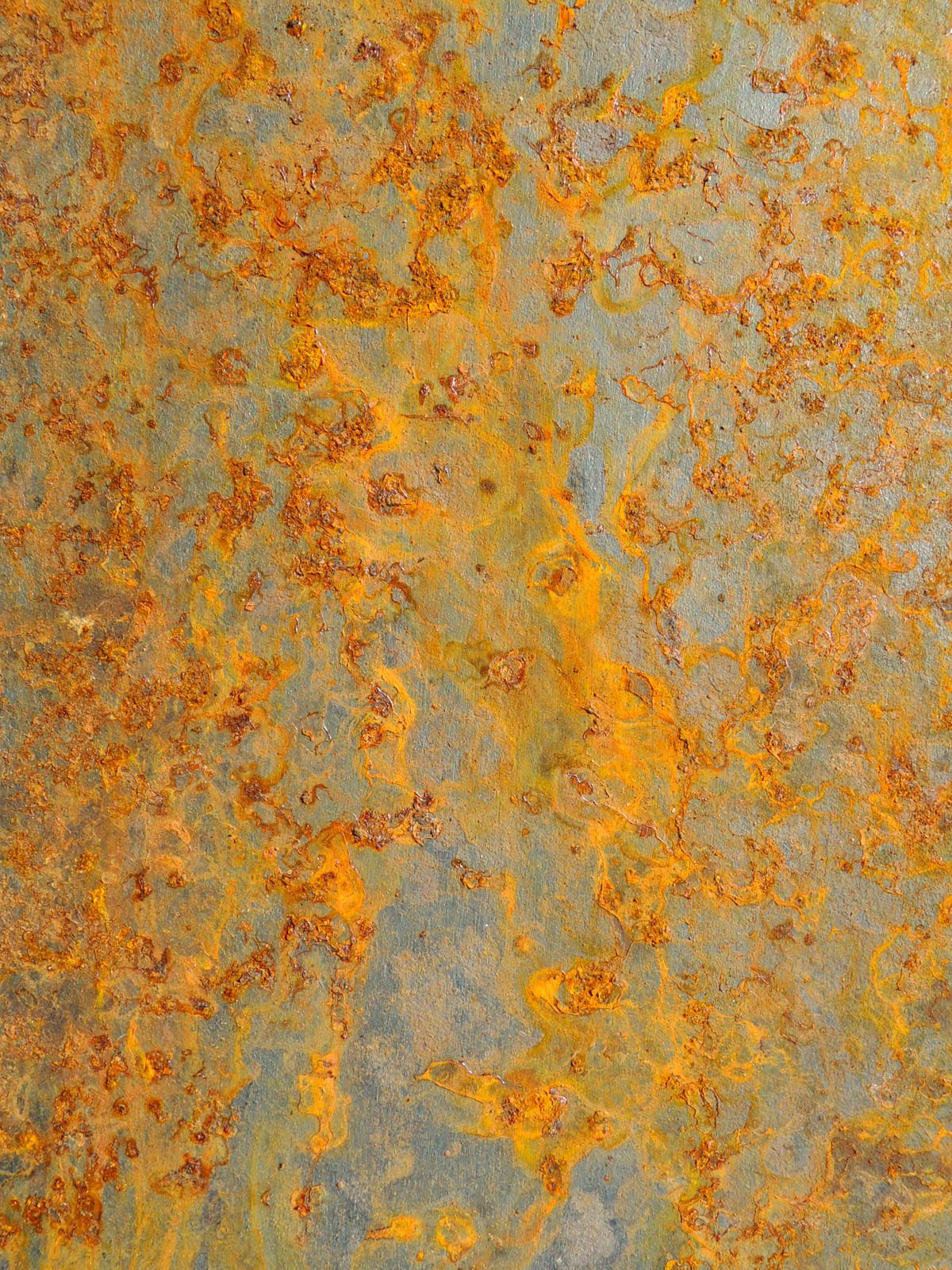
Close-up of a heavily rusted steel surface with orange and brown corrosion

Rust removal

Corrosion and mill scale lifted off structural steel, tooling and equipment without grit or chemicals.

Corrosion is ablated layer by layer, so you control how far the clean goes. Good where grinding or blasting would remove good metal along with the rust.

Typical work: Structural steel, equipment, frames, fasteners, tooling.
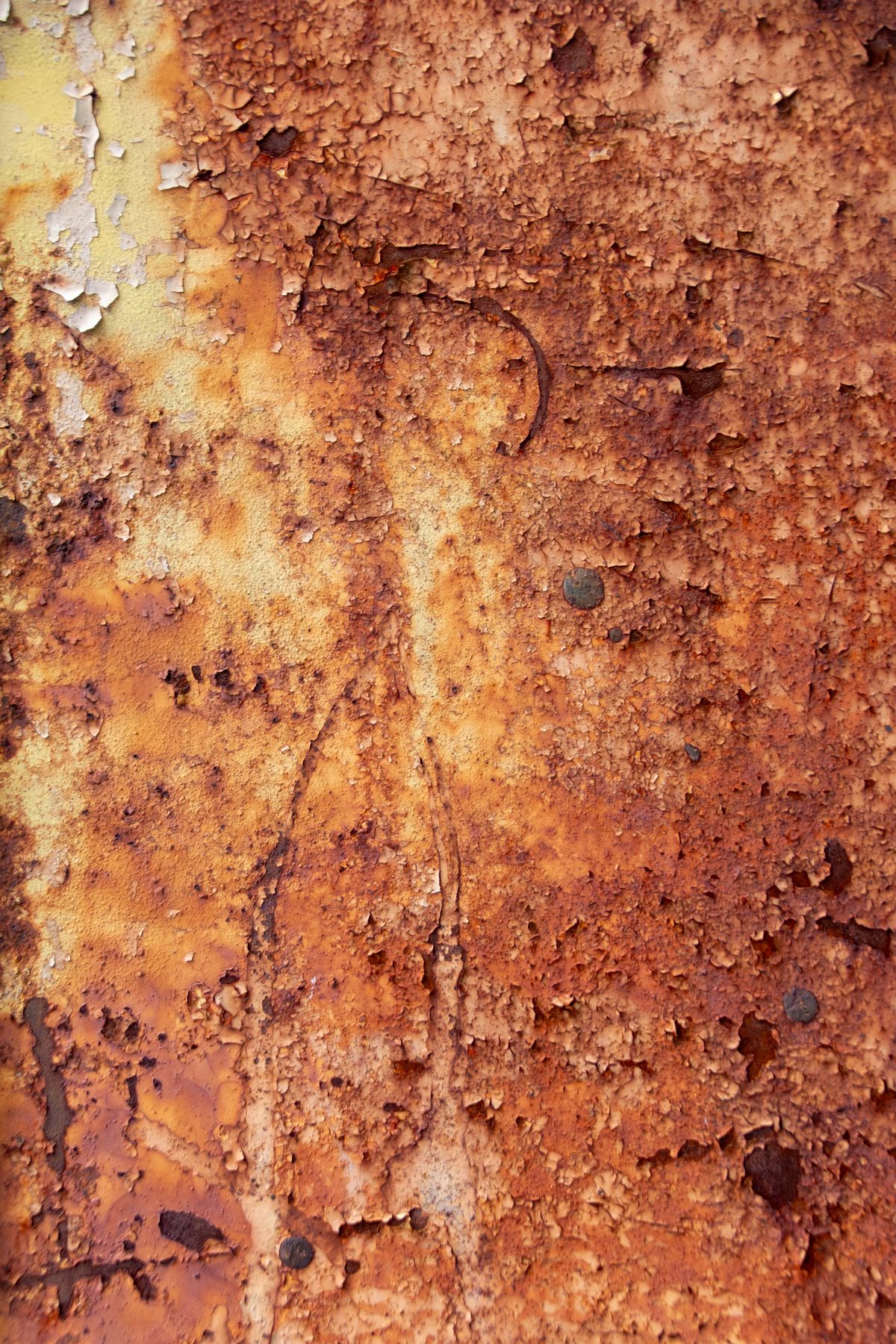
Rusted metal surface with peeling paint layers

Paint and coating removal

Layered paint, primer and coatings stripped back to the substrate, with controlled edges for repainting.

Strip to bare metal or only down to a sound primer. Edges stay crisp, which matters when you are spot-repairing a coated structure.

Typical work: Hulls, tanks, machinery, fixtures, anything due for a repaint.

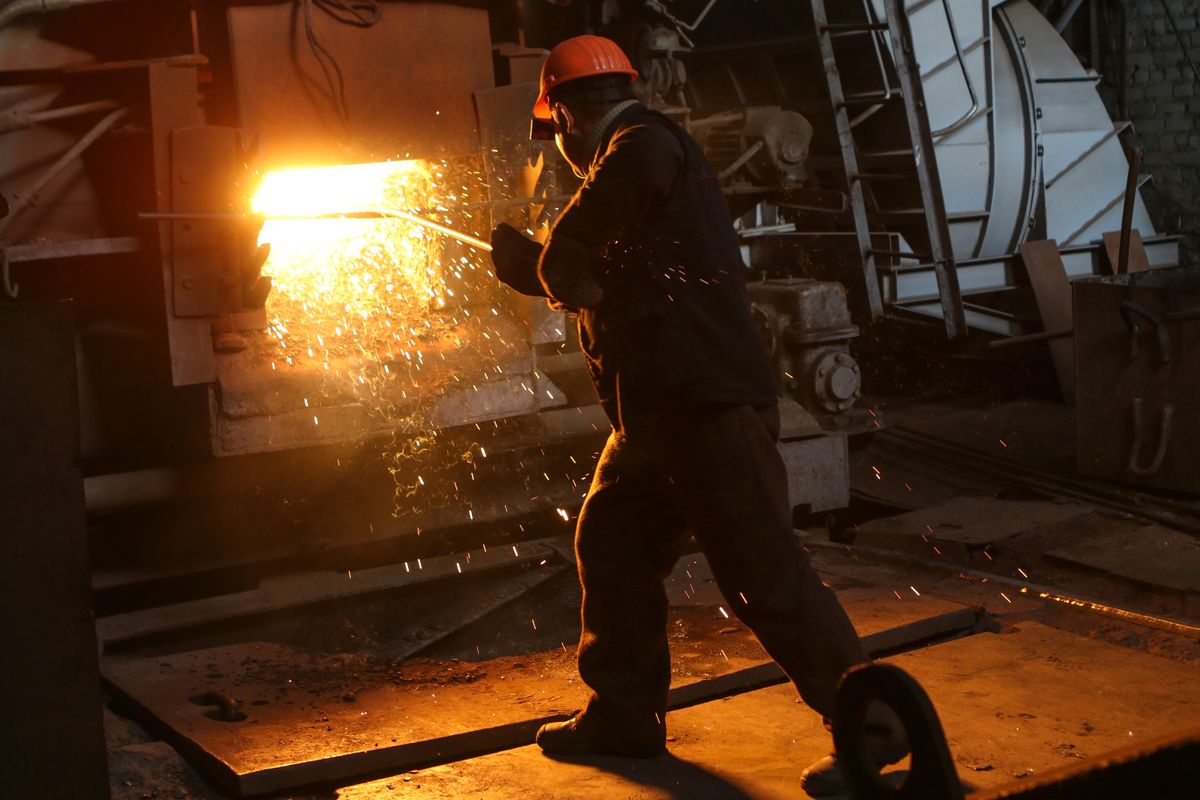
Welder in protective gear working metal with sparks flying in an industrial plant

Weld prep and post-weld cleaning

Oxide and contamination cleared from joints before welding, discoloration and spatter cleared after.

Clean oxide and contamination from the joint line before welding, and clear discoloration and spatter afterward, to your weld procedure.

Typical work: Plate, pipe, structural sections, stainless and aluminum joints.

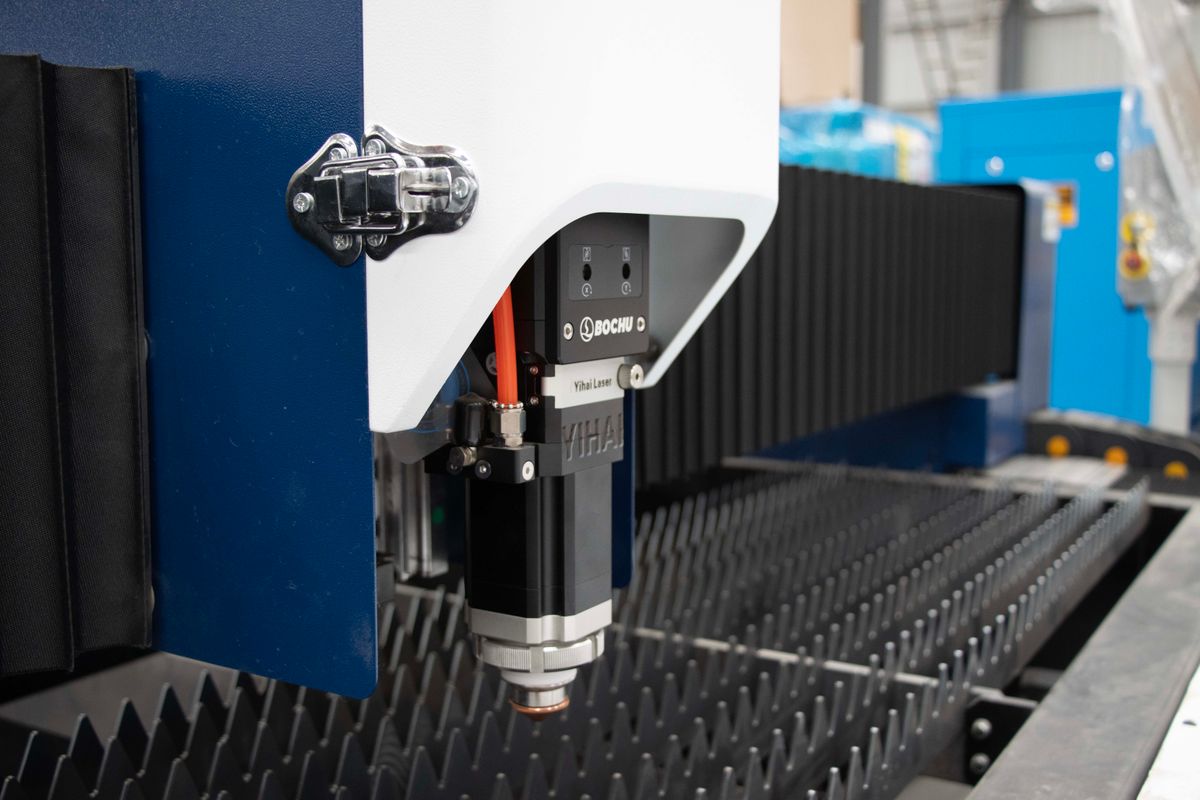
Industrial laser machine operating indoors under blue light

Tooling and mold cleaning

Residue and build-up removed from production tooling in place, with no disassembly and no abrasion of the cavity.

Residue and build-up are removed in place, often without taking the tool out of service for long and without abrading the cavity.

Typical work: Molds, dies, rollers, production line components.

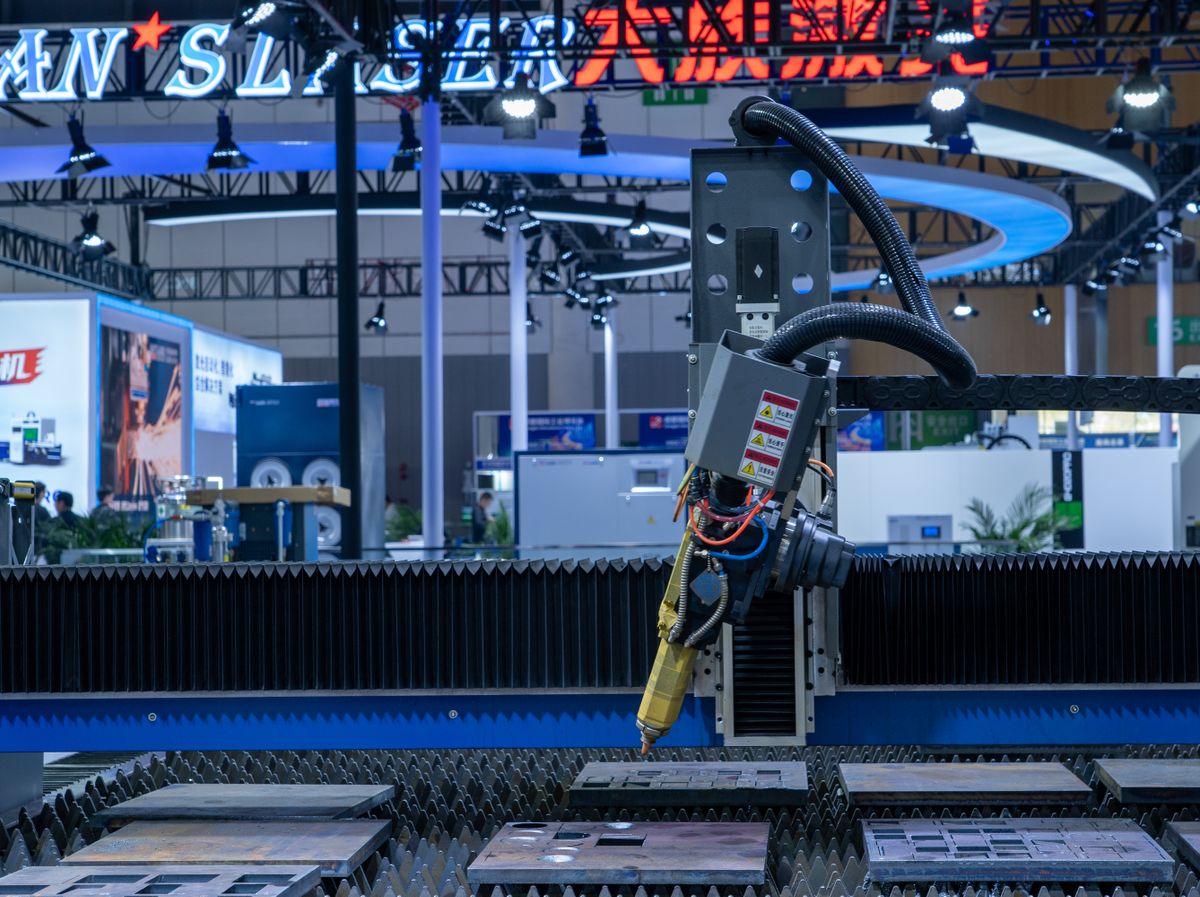
Industrial CNC laser machine operating in a manufacturing setting

Oxide and contaminant removal

Thin oxide layers, oils and residues taken off before bonding, coating, sealing or inspection.

A clean, dry, repeatable surface for the next process. Useful where chemical cleaners or abrasives would leave their own residue.

Typical work: Parts heading for bonding, coating, sealing or inspection.

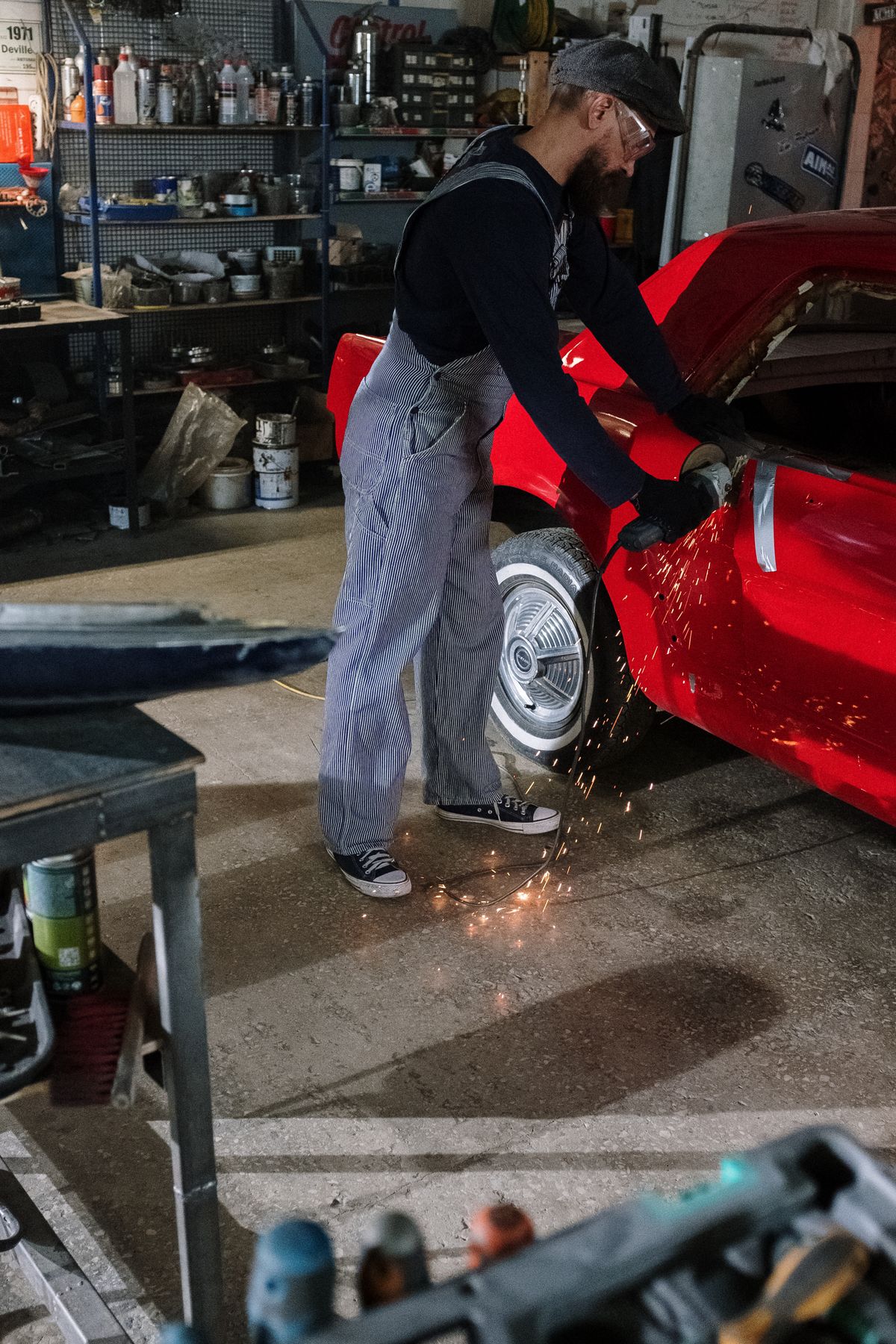
Mechanic grinding a vehicle body in a garage with sparks

Equipment and heritage restoration

Careful, non-abrasive cleaning where the original surface has to survive: machinery, vehicles, ironwork.

Gentle, selective cleaning for restoration work. We assess each surface and test first, especially on thin, soft or historic material.

Typical work: Machinery, vehicles, ironwork, items where the original surface matters.

Not sure which one your job is?

Describe the surface. We will tell you what we would do and what it would take.